
It makes sense that we think about hydration in summer. The heat, the panting, the empty water bowl are all familiar reminders. But winter brings its own, quieter hydration problem, and it's one that's easy to overlook precisely because it doesn't come with those obvious warning signs.
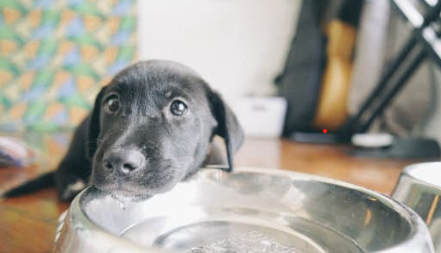
When the temperature drops, pets naturally feel less thirsty. They're not overheating, they're not panting, and they're often spending more time curled up and still. The signals that usually prompt them to drink, such as warmth, exertion and heat, are simply less present. And so the water bowl gets ignored, day after day, while the effects of mild dehydration quietly build up inside their bodies.
As an animal naturopath with a background in veterinary nursing, I've seen how much winter dehydration can affect a pet's health, particularly their kidneys, joints, digestion, and immune function. The good news is that it's also one of the most straightforward things to address, once you know what to look for.
Why winter dehydration matters
Water is involved in almost every biological process in the body, including nutrient transport, temperature regulation, joint lubrication, waste elimination, and immune response. When a pet is even mildly dehydrated, all of these systems are working under pressure.
For the kidneys, this is particularly significant. The kidneys rely on adequate fluid intake to filter waste products from the bloodstream and produce urine. When a pet isn't drinking enough, the urine becomes more concentrated, which increases the load on the kidneys and raises the risk of crystal and stone formation over time. This is especially concerning in cats, who are already prone to urinary tract issues and have a naturally low thirst drive compared to dogs.
For the digestive system, dehydration means slower gut motility. Food moves more sluggishly through the intestines, and constipation becomes more likely. This is something I see particularly in older pets and cats during the colder months.
For the immune system, proper hydration supports the lymphatic system, which plays a central role in immune defence. A well-hydrated body is simply better equipped to respond to illness.
And for joints, the synovial fluid that cushions and lubricates joint surfaces is largely water-based. In winter, when older pets are already feeling the cold in their joints, inadequate hydration can make stiffness and discomfort noticeably worse.
Mild dehydration in pets rarely looks dramatic. There's no panting, no distress. It often just looks like a quieter, slightly less energetic version of your pet, which is easy to put down to the weather.
How to tell if your pet isn't drinking enough
The classic test for dehydration in pets is the skin turgor test: gently pinch the skin at the back of the neck and release it. In a well-hydrated pet, the skin springs back immediately. If it takes a moment to return to normal, that can indicate dehydration. This test is a useful guide, but it isn't always definitive, particularly in older animals or those who carry less body fat.
Other signs to watch for include:
In dogs: dry or tacky gums (rather than moist and slippery), sunken-looking eyes, lethargy that goes beyond their usual winter slowdown, reduced skin elasticity, and darker or more concentrated urine.
In cats: because cats have a naturally lower thirst drive than dogs, the signs can be subtler. Watch for reduced litter tray output, harder or more infrequent stools, a coat that looks less lustrous than usual, or a cat who seems flat and less interactive. Cats are particularly vulnerable to the effects of mild chronic dehydration, and it can be a contributing factor in urinary blockages, kidney disease, and constipation, all of which are more commonly seen in winter.
If you're ever concerned that your pet is significantly dehydrated, always contact your vet. The signs above are guides, not a substitute for professional assessment.
A note on cats specifically
Cats deserve their own section here, because their relationship with water is genuinely different from dogs. As obligate carnivores, cats evolved in desert environments where they obtained most of their moisture from prey rather than drinking. This means their thirst drive is inherently low and they simply don't feel the urge to drink the way a dog does.
A cat fed primarily on dry food is relying on their water bowl for almost all of their daily fluid intake, but their biology doesn't necessarily prompt them to drink enough. This is a significant mismatch that plays out quietly over months and years, and it's one of the reasons kidney disease is so prevalent in older cats.
In winter, when thirst drive drops even further, this becomes more pronounced. If you have a cat who predominantly eats dry food, winter is a particularly important time to think about increasing moisture in their diet.
"A cat who eats wet food or raw food is consuming moisture with every meal. A cat eating dry food needs to make up that shortfall by drinking, and many simply don't drink enough to compensate."
6 practical ways to increase your pet's water intake this winter
1 Add warm water or low-sodium bone broth to meals
Adding a splash of warm water or unsalted bone broth directly to your pet's food is one of the most effective ways to increase fluid intake without relying on them to choose to drink. Most pets find it more palatable, and in winter the warmth makes it even more appealing. Make sure any bone broth is free from onion, garlic, and added salt, all of which are harmful to pets. A plain chicken or beef broth made at home is ideal.
2 Switch from dry food to wet or raw
Wet food typically contains around 70–80% moisture, compared to dry kibble which sits at roughly 10%. For pets, and particularly cats, making this switch even partially can dramatically increase daily fluid intake without any change in drinking behaviour. If a full switch isn't practical, replacing even one meal a day with a wet or raw option makes a meaningful difference.
3 Use a pet water fountain
Many cats and some dogs are strongly drawn to moving water. A pet water fountain keeps water circulating, which both aerates it and appeals to the instinct many cats have to drink from a running source. It also keeps the water fresher than a static bowl, which can put sensitive animals off drinking. If you have a cat who ignores their water bowl, a fountain is often a game-changer.
4 Place water bowls in multiple locations
Particularly for cats, having water available in more than one spot around the home encourages more frequent drinking. Many cats prefer their water bowl away from their food bowl. In the wild, water found near a carcass would be considered contaminated, so some cats instinctively avoid drinking where they eat. Try moving the water bowl to a different room and see if intake improves.
5 Offer room temperature or slightly warmed water
Cold water is less inviting in winter, for pets just as much as for us. Offering water at room temperature, or even slightly warmed, can encourage a reluctant drinker to take more in. Some pets will drink noticeably more when water is just a few degrees warmer than cold tap water. It's a small change that's worth experimenting with.
6 Try a different bowl material
This sounds minor, but it can make a real difference. Some pets, cats in particular, are sensitive to the smell of plastic, which can absorb odours over time. Stainless steel, ceramic, or glass bowls are generally better tolerated and easier to keep clean. If your pet consistently ignores their water bowl, a different bowl is an easy first thing to try.
How much should my pet be drinking?
As a rough guide, dogs generally need around 50–60ml of water per kilogram of body weight per day, though this varies with activity level, diet, and the individual animal. Cats need less, roughly 40–50ml per kilogram, but as discussed, many cats on dry food struggle to meet even this lower threshold.
Rather than measuring intake precisely, which is impractical for most pet owners, pay attention to your pet's urine. It should be pale yellow and produced regularly. Dark, concentrated, or infrequent urine is a useful signal that intake may need to increase. A complete absence of urination, or straining to urinate with little output, warrants prompt veterinary attention.
Small changes, meaningful impact
Hydration doesn't get the attention it deserves in pet health conversations, particularly in the colder months when the signs of low intake are so easy to miss. But water underpins so much of what keeps a pet's body functioning well, supporting everything from their kidneys and gut to their joints and immune system.
You don't need to overhaul your pet's entire routine to make a difference. Adding warm broth to a meal, offering water in a new spot, or making a partial switch to wet food can shift things meaningfully over weeks and months.
If you'd like personalised guidance on supporting your pet's health through winter, including their nutrition, hydration, and immune function, I'd love to help. Consultations open in January 2027. Join the waitlist below to be first in line.
Jessica Rice
Bachelor of Veterinary & Wildlife Science (Hons) · Animal Naturopath & Nutritionist · 20+ years veterinary nursing experience